
Primary Horizontal Logo (Light Background)
Standard high-resolution horizontal logo for white or light surfaces, academic certificates, and posters.
Browse research publications and journal content in over 130 languages. Localization updates across all pages automatically.


Download the journal’s marks and publication artwork. This page also explains which file to use, how to keep it legible, and where each asset fits.
Using the library
For a website header, choose a compact wordmark. For a document cover or event poster, use a large logo file. The crest works where a small standalone mark is needed. Artwork and publication covers belong in editorial layouts, not in place of the journal logo.
Primary horizontal lockups and compact wordmarks for web, print, publications, and institutional headers.
Standard high-resolution horizontal logo for white or light surfaces, academic certificates, and posters.

High-contrast inverted logo with white typography designed specifically for dark backgrounds and footers.

Large dark-background version of the horizontal logo.

Large light-background version of the horizontal logo in AVIF format.

Ultra-lightweight wordmark optimized for responsive navigation bars and email signatures.

Inverted compact wordmark designed for dark navigation headers and footer columns.

Double-density 2x wordmark asset for crisp rendering on HiDPI and Apple Retina mobile devices.

Panoramic masthead logo with full journal designation for academic portals and header banners.
The standalone GYSJ crest, atom & quill insignia symbolizing youth scientific inquiry, open discovery, and integrity.

The central heraldic crest of the journal, combining the scientific atom, beaker, and laurel elements.


Optimized small crest designed for mobile headers, navigation icons, and breadcrumb markers.

Micro-scale crest variant for tab bars, UI buttons, and compact metadata badges.
Stamp artwork for layouts. Use it only where its wording accurately describes the document or publication.
Circular stamp artwork. Its presence alone does not certify review, licensing, or publication status.
Ultra high-definition certification seal for print diplomas, certificates, and institutional credentials.
Square app icons, touch icons, and browser favicons optimized for bookmarks, PWA manifests, and social profile avatars.

High-resolution square app icon for social media avatars (LinkedIn, Twitter, Instagram) and Apple Touch Icons.

Deep obsidian edition of the square app icon for dark system interfaces and night mode bookmarks.

Clean light edition of the square icon with enhanced contrast border for light operating systems.

Custom editorial artworks celebrating scientific discovery, youth laboratory innovation, peer review, and academic mentorship.

Official editorial artwork celebrating multidisciplinary science, physics, robotics, and computational research.
Vibrant illustration featuring laboratory inquiry, experimental methodology, and student curiosity.

Editorial artwork illustrating the peer review cycle, academic manuscript editing, and ethical publishing.
Inspiring illustration capturing the relationship between faculty mentors, postdocs, and youth researchers.

Global connectivity artwork showing young scholars uniting across borders to solve real-world challenges.
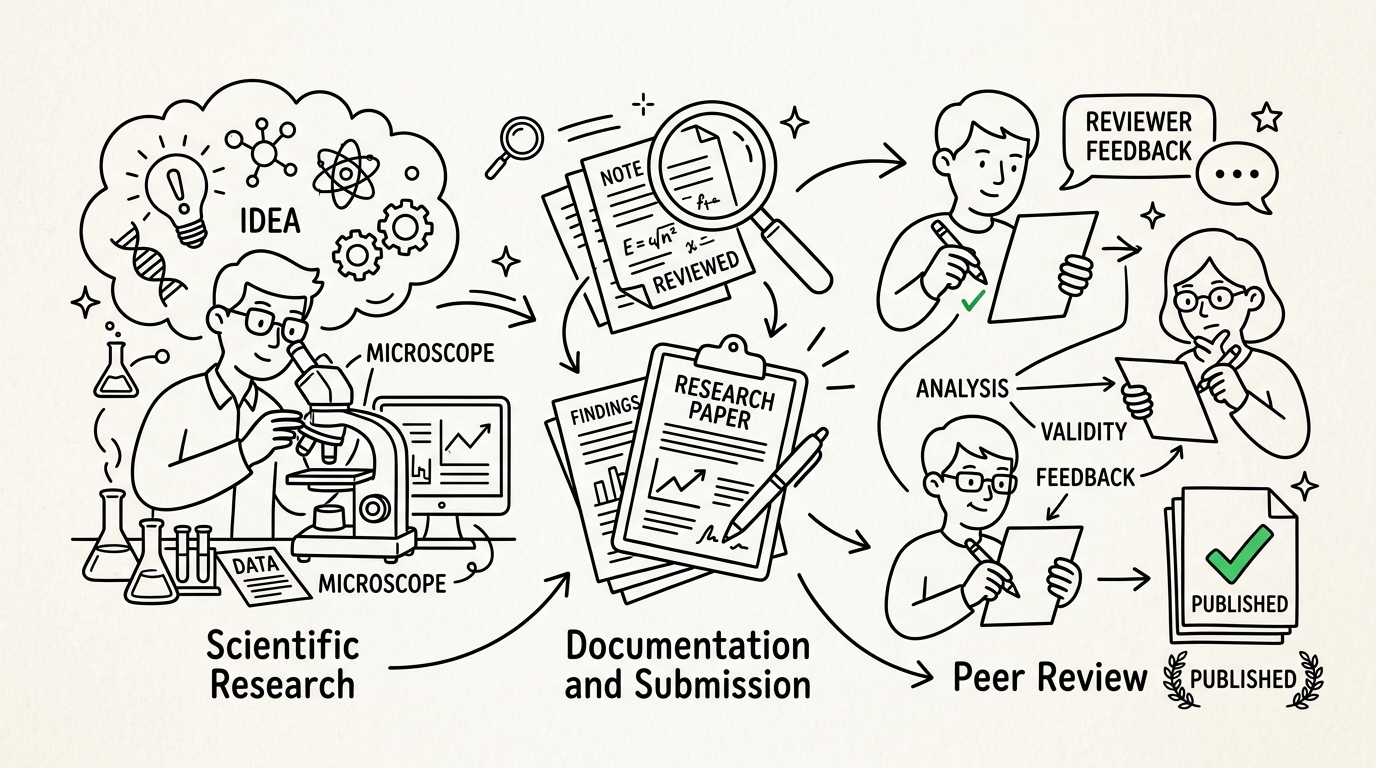
Minimalist linear illustration series for editorial articles, whitepapers, and call for papers banners.
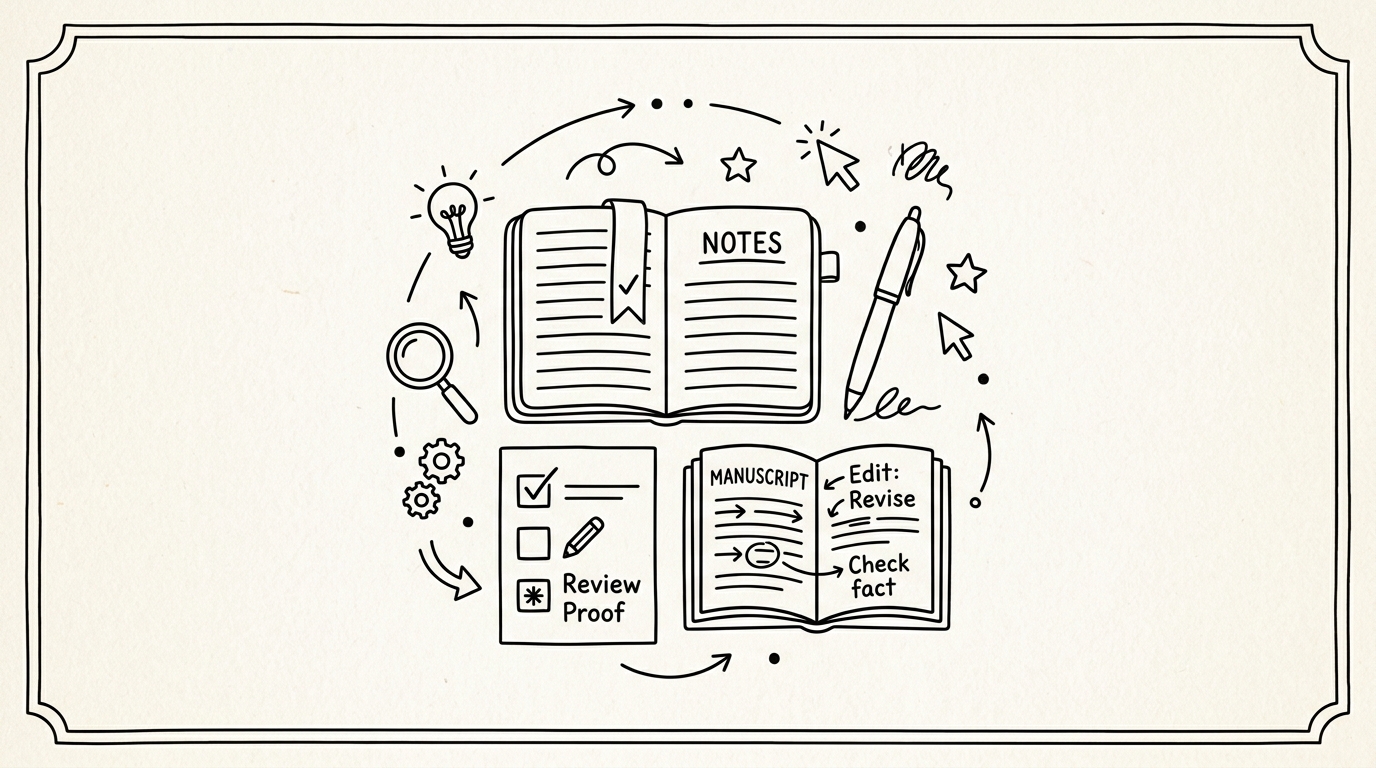
Monochrome sketch styling for publication guidelines, author criteria, and review forms.
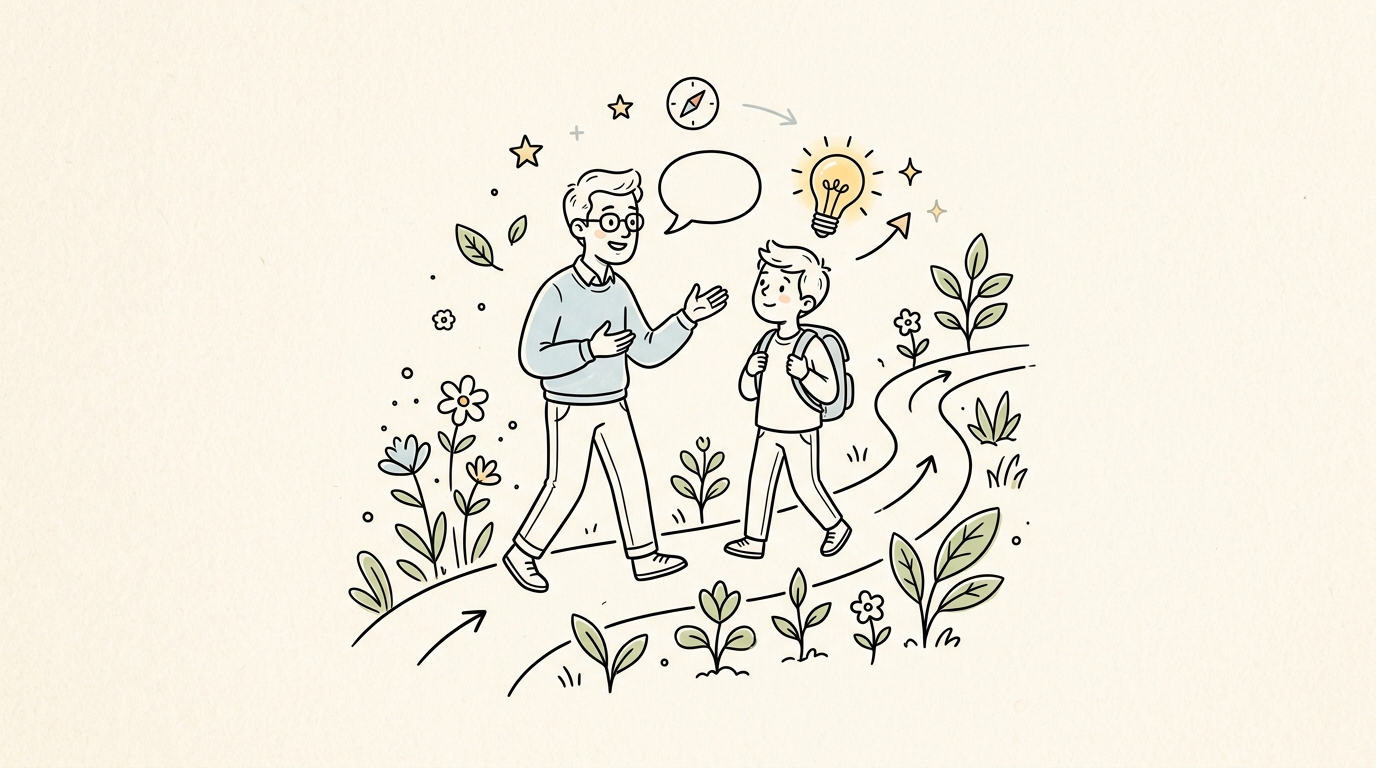
Monochrome line sketch for ambassador program guidelines and mentor recruitment.

Clean line-art for conference flyers, high-school announcements, and educational workshops.
Official cover templates, companion journal series insignias, and social embed cards.

Sub-disciplinary insignia for management, economics, social sciences, and policy research submissions.

Signature mark for the Academic Edge student accelerator and fast-track publication series.

Vertical publication showcase poster for special issues and student feature releases.
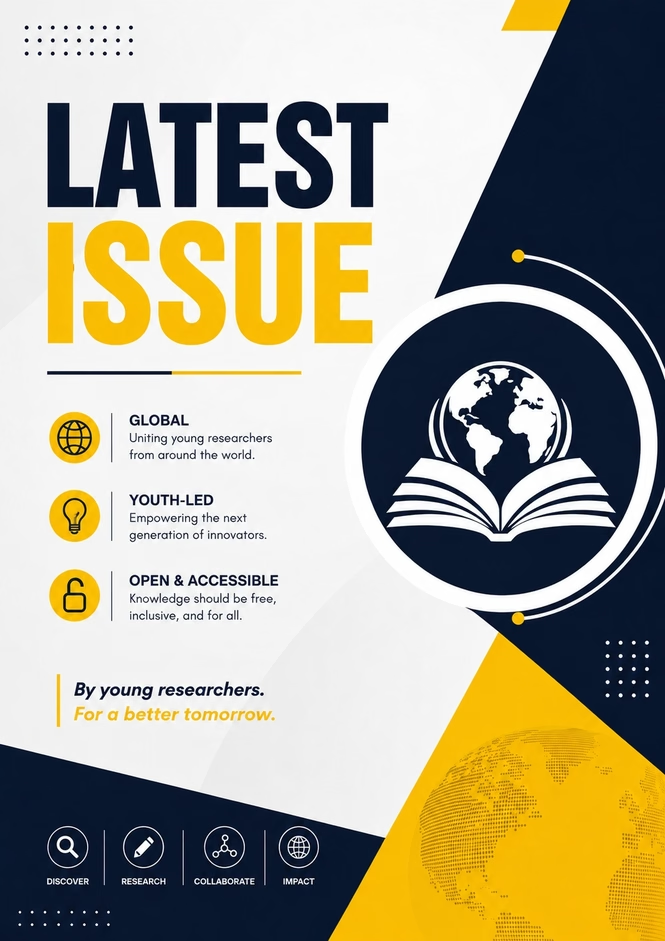
Standard editorial cover layout used across journal issue collections.
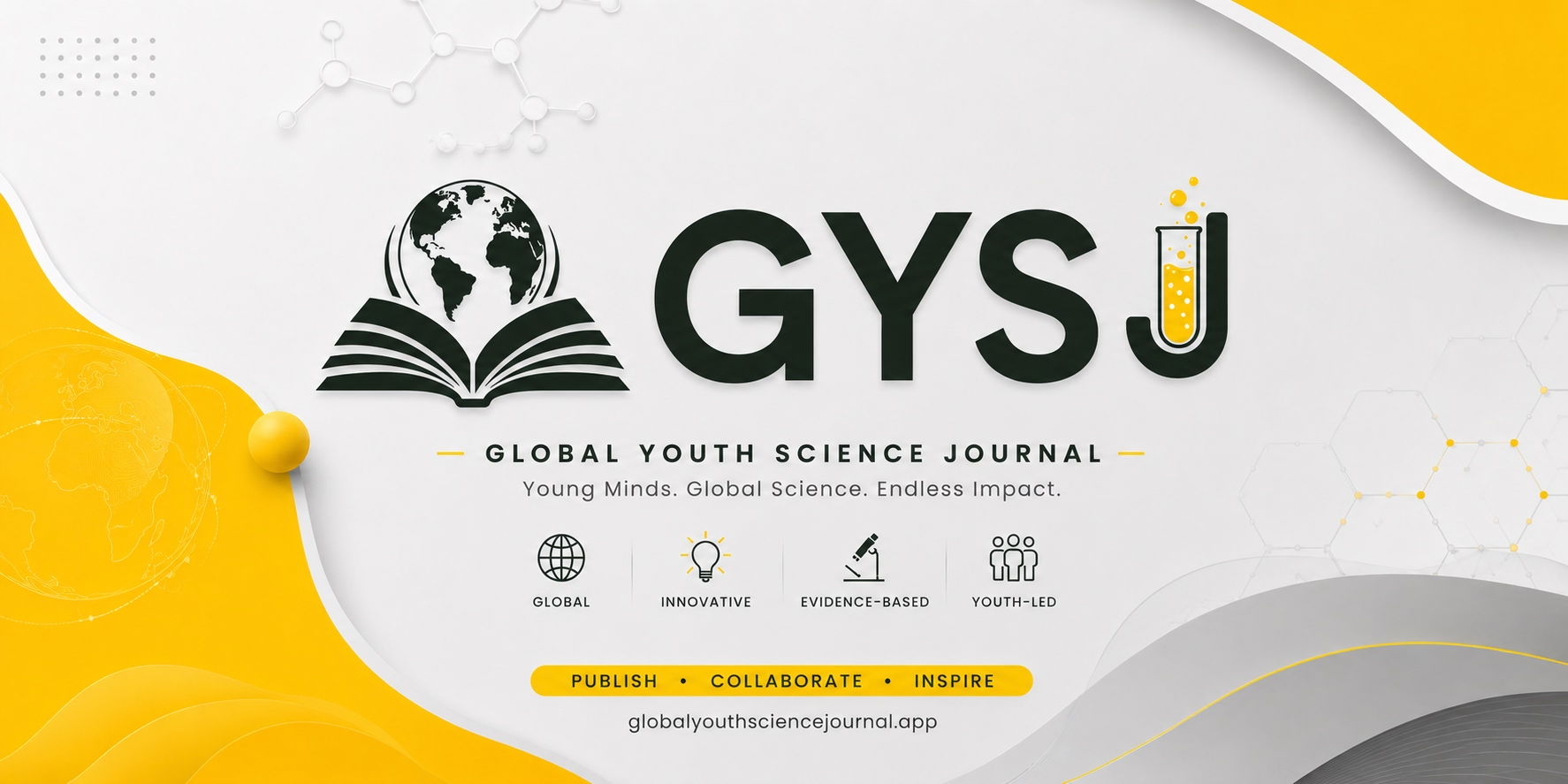
The canonical Open Graph & Twitter Summary Card banner served automatically across social link previews.

Scholarly impact badge used to highlight exceptional youth breakthrough papers.
Visual graphics representing the core principles of peer review rigor, global network, and academic integrity.

Visual badge symbolizing empirical rigor, reproducible methodology, and peer evaluation.

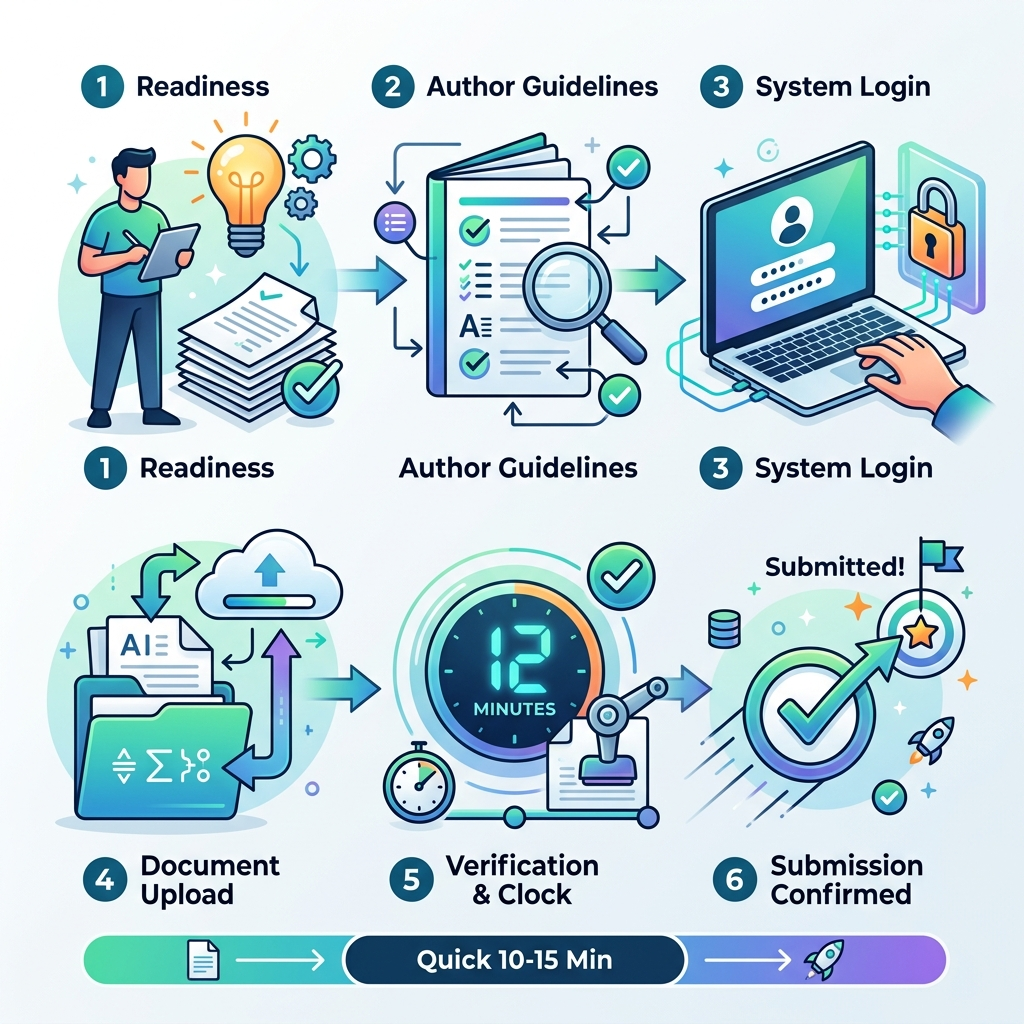
Comprehensive visual guide explaining the 4-step publication journey from manuscript submission to DOI issuance.
Authentic photo imagery representing youth celebration, laboratory inquiry, and academic leadership.

Students celebrating graduation and academic milestones, embodying youth educational triumph.
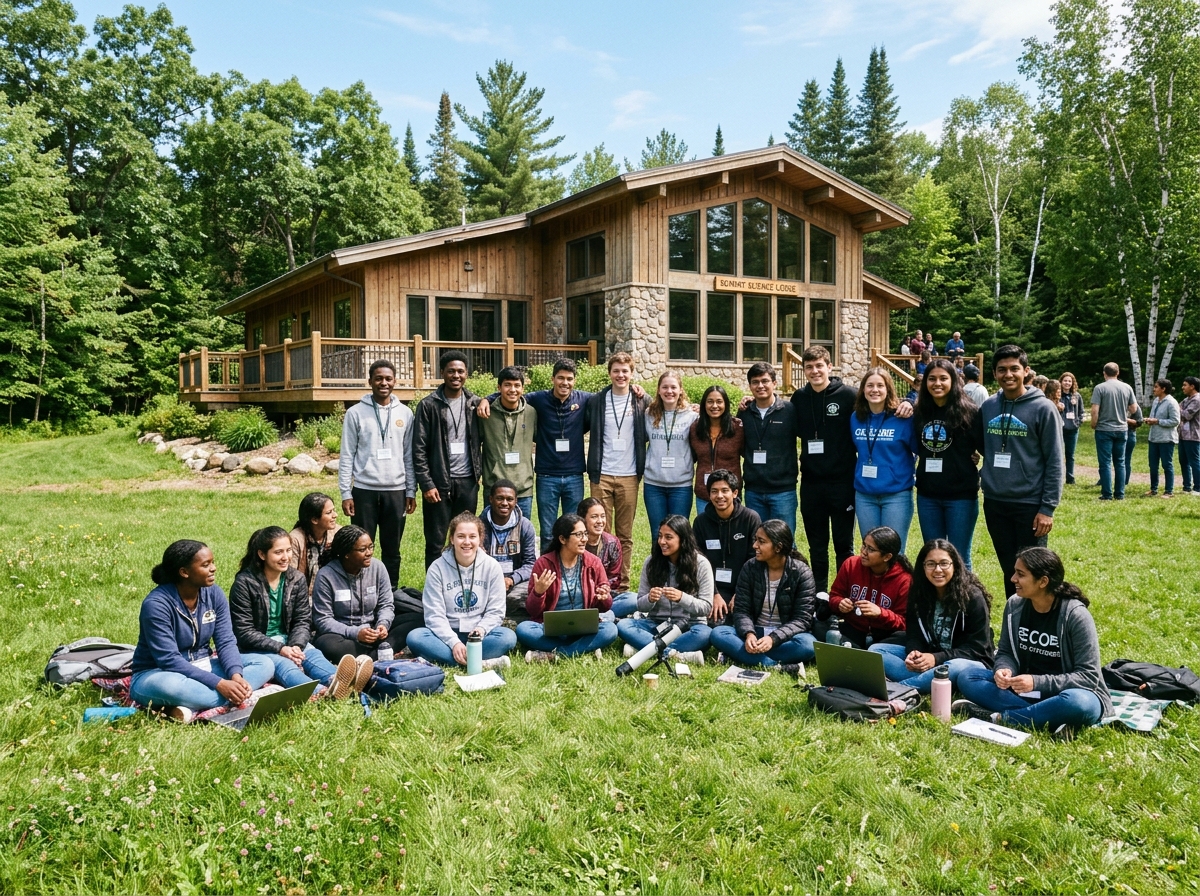
Collaborative academic community showing young scientists and advisors engaging in peer discussions.
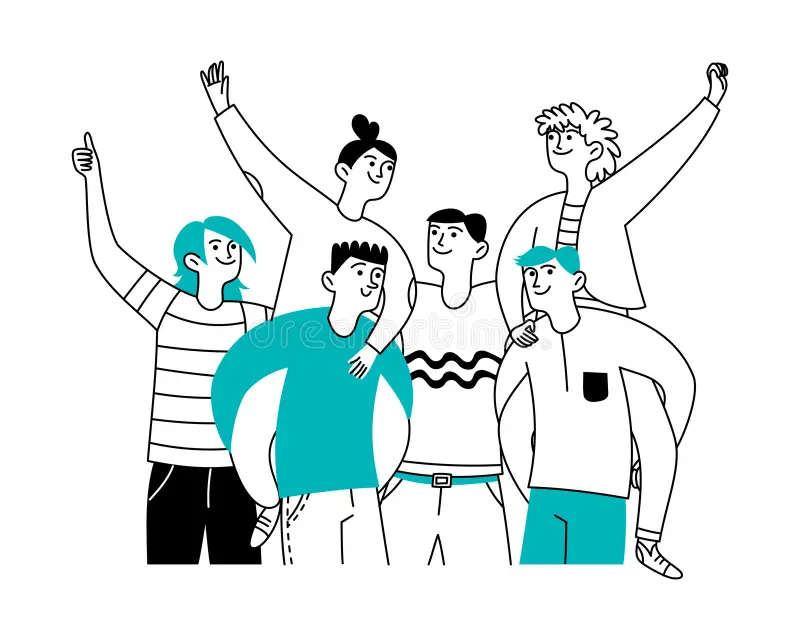
Diverse representation of young minds working together across international boundaries.

High school student actively conducting laboratory experiments, microscopy, and data collection.

Official press portrait of Tuhin Sarkar, founder and platform architect of Global Youth Science Journal.
The previews help compare variants. The format and dimensions on each item describe the downloaded file.
Use the compact wordmark in headers and signatures. Use a square icon for an avatar or app tile. AVIF and WebP are useful where the publishing system supports them; PNG is a practical fallback.
Start with the largest available image and check it at its intended size before sending a file to print. These listed assets are raster images. Contact the journal if your printer requires a vector master.
Use the artwork and cover files as supporting material. Keep the journal name visible nearby so readers can tell who published or supplied the piece.
Select a swatch to copy its HEX value. Treat these as screen color references; printed color can vary with the process and paper.
The site uses Poppins for headings and Inter for body text and interface labels. If those fonts are unavailable, use the browser’s sans-serif fallback.
font-family: 'Poppins', sans-serif;
Use for page titles and section headings. Common weights on this page: 600 and 700.
font-family: 'Inter', -apple-system, sans-serif;
Used for research abstracts, body paragraphs, captions, tables, and UI navigation controls. Font weights: 400 (Regular), 500 (Medium), 600 (SemiBold).
Keep the supplied artwork intact and make sure the journal can still be identified at the size and contrast where it appears.
Download the source file from this page instead of saving a preview image. Choose dimensions that remain clear at the final display size.
Choose a logo variant with enough contrast against its background. Check the preview on the actual color or image before publishing.
Leave clear space around the mark. Keep nearby text, edges, and other logos from touching it.
Do not stretch, rotate, crop, or redraw the supplied mark. Use a compact version when the horizontal logo does not fit.
Do not recolor the supplied artwork. If a background makes a mark hard to read, choose another supplied variant.
Do not add effects that change the appearance of the mark or make its edges hard to read.
Standard approved descriptions for media outlets, academic conferences, partner organizations, and school newsletters.
Contact the journal team about file formats, publication details, or media enquiries.